

You can use USDT or USDC to move dollar-linked value across blockchain networks, but those tokens are unlikely to replace traditional payments across the board in 2026. USDT and USDC are more likely to support selected cross-border and digital-native payments while banks, card networks, and cash continue to serve many everyday transactions.
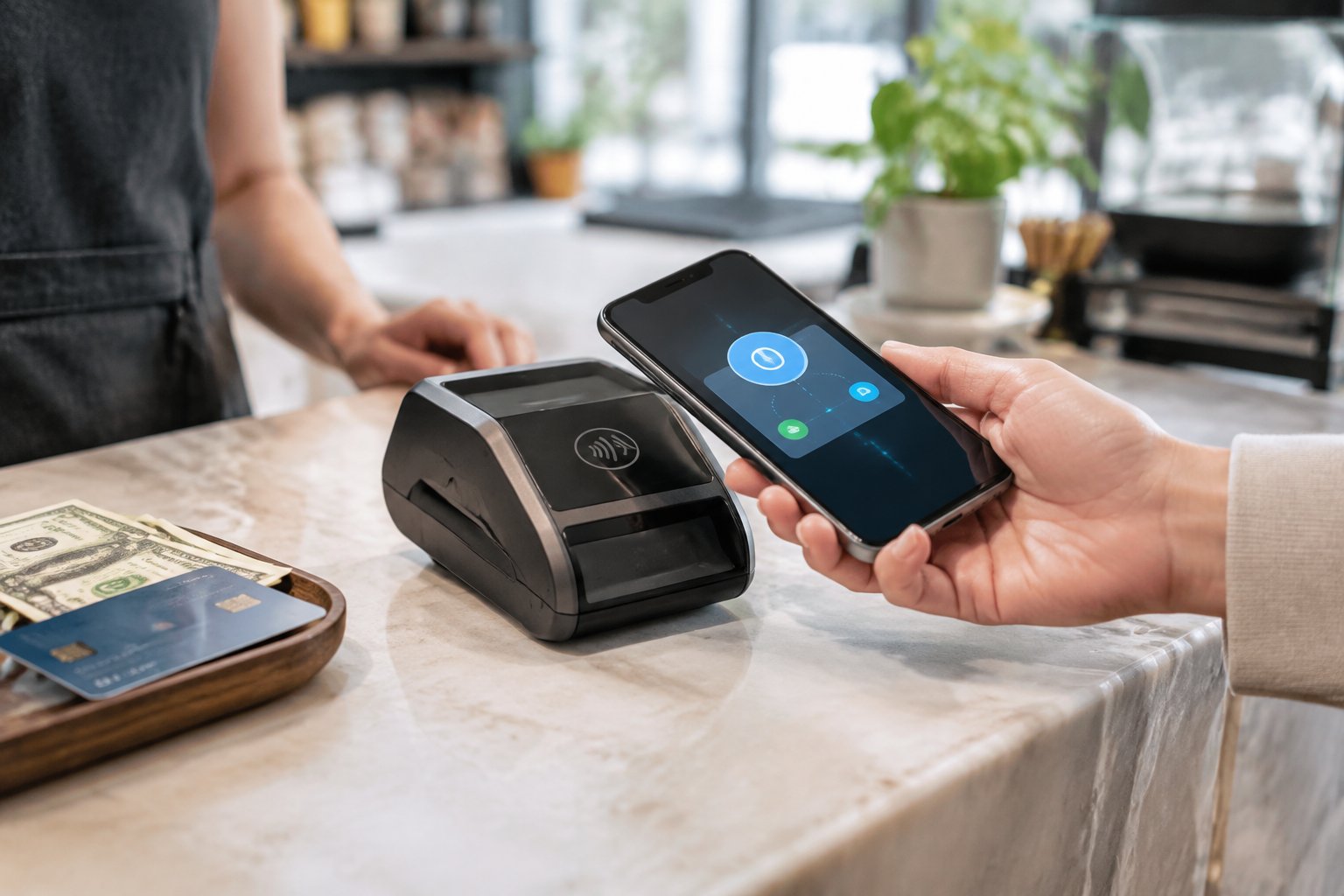
For you, the practical question is whether a stablecoin makes a payment easier from end to end. A fast blockchain transfer helps only when you and the recipient can access the right wallet, choose the same network, and convert the token into spendable local money.
How Do Stablecoins Compete With Traditional Payments?
Stablecoins compete by moving dollar-denominated value on blockchain networks, with the potential for round-the-clock settlement and fewer intermediary steps. Your total cost and delivery time still depend on the network, the wallet or exchange you use, and how the recipient cashes out.

Stablecoin transfers work wallet to wallet, while wires and card payments rely on established financial networks and providers. For you, the meaningful comparison includes the full journey from dollars into tokens, across the network, and back into usable funds.
How Do Stablecoin Transfers Work?
You send USDT or USDC from a wallet to a recipient’s wallet address on a supported blockchain. The network records the transfer, and the recipient can hold the tokens, send them onward, or use a service that converts them to local currency.
The sender and recipient must select the same network and compatible token format. Before confirming a transfer, check the recipient address, network, and any platform-specific deposit instructions; a correct address on the wrong network can still leave funds inaccessible.
Stablecoins make blockchain settlement available for payments, remittances, and other uses. USDC’s stated use cases include payments and remittances, though whether you can spend or redeem it depends on the service and market you use.
Are They Faster and Cheaper Than Wires?
A blockchain transfer can settle faster than a cross-border wire when the network processes it promptly and both parties already have working wallets. That speed does not guarantee that the recipient can withdraw or spend the funds immediately.
Your total cost combines network fees with any exchange, wallet, or conversion charges. A low network fee alone does not establish that the payment is cheaper end to end; compare the final amount the recipient receives with the cost of the available wire or payment service.
For business payments, stablecoins offer a different settlement path that can connect with existing payment infrastructure. Cross-border payment systems can combine stablecoin settlement with established provider services, so you may encounter both blockchain and conventional processing in one transaction.
What Do On-Ramps and Off-Ramps Add to the Cost?
An on-ramp converts your dollars into stablecoins, and an off-ramp converts the recipient’s stablecoins into bank funds, mobile money, or cash. Each provider sets its own fees, exchange rate, limits, and verification requirements.
You should compare the amount credited at the destination, not just the blockchain fee. A transfer that settles quickly can still cost more if the recipient faces a wide conversion spread or has limited local withdrawal options.
Where Are USDT and USDC Already Used for Payments?
USDT and USDC are used in payment flows where digital dollars are useful, particularly for cross-border transfers and services built around digital assets. Your access to those uses depends on local liquidity and whether the recipient can convert tokens into money they can spend.
Stablecoins are gaining attention as a way to move dollar-linked value between markets, while established providers remain important for delivery and conversion. Stablecoin transfers are being integrated into cross-border money movement, with the receiving experience still shaped by local payment options.
Why Are Stablecoins Useful for Remittances?
Stablecoins give you a way to send dollar-linked value across borders without requiring the recipient to receive a conventional wire directly. That can be useful when the recipient has a compatible wallet and a dependable way to convert or spend the tokens.
The benefit comes from the whole transfer path. You need to check the sender’s purchase cost, the network fee, the recipient’s conversion rate, and the amount the recipient can withdraw or use.
Which Payment Corridors Benefit Most?
A corridor is more useful for stablecoin payments when both ends have accessible wallets, reliable internet, and providers that support conversion into local currency. You also need liquidity in the destination market so the recipient can exchange tokens without an excessive spread.
Dollar-linked transfers can appeal in markets where people seek access to dollars or where cross-border payment options are costly or slow. The Philadelphia Fed notes that nearly all stablecoins are dollar-denominated, which gives these tokens a role in international transactions while tying their growth to demand for digital dollars (stablecoins and the dollar’s global role).
How Do Mobile Money and Cash Pickup Extend Their Reach?
A recipient does not need to keep stablecoins in a wallet if a local provider can convert them into mobile money or cash. That service links blockchain settlement to familiar ways of receiving funds.
You should confirm the provider’s supported token and network, payout method, fees, and identification rules before sending. Where cash pickup or mobile money is unavailable, the recipient may need a bank account or another exchange service to access the payment.
USDT vs. USDC: Which Is Better for Payments?
USDT suits payment routes where its liquidity and availability match the recipient’s wallet or exchange, while USDC can fit payment flows built around Circle’s dollar token and supported services. Your best operational choice is the token the recipient can receive and convert reliably on the intended network.
| Payment consideration | USDT | USDC |
|---|---|---|
| Common practical fit | Broad crypto-market liquidity | Payments using supported USDC services |
| Recipient access | Confirm wallet and network | Confirm wallet and network |
| Conversion | Depends on local provider | Depends on local provider |
| Key check | Destination liquidity | Issuer and service requirements |
Both tokens aim to maintain a value linked to the US dollar, and the payment experience depends on more than the token name. Network support, available liquidity, and your provider’s rules shape what the recipient actually receives.
Where Does USDT Have the Advantage?
USDT can be a practical choice when the recipient already uses it or when the required exchange and payment services support it. Its broad use across crypto markets can help you find counterparties and conversion options along some routes.
Check the exact network before sending, since token availability on one chain does not mean a recipient can accept the same token on another. Your recipient’s preferred exchange or wallet should determine the supported route.
When Is USDC a Better Fit?
USDC can suit you when the recipient, business, or payment platform already accepts it and its redemption or conversion path fits your needs. Circle’s USDC is positioned for payments and other financial uses, including business payments and remittances.
For a business transfer, ask which token the counterparty can settle and reconcile. The clearest choice is the one that fits both parties’ operational and compliance requirements, including how the recipient converts the funds.
How Do Regulation and Network Choice Affect Transfers?
Regulatory requirements affect which services can issue, hold, exchange, or redeem stablecoins for you. In the United States, the GENIUS Act has brought a federal framework into the stablecoin payment discussion, shaping how payment firms plan for digital dollar services (US stablecoin regulation and payments).
Network choice affects transaction fees, settlement processing, and compatibility with the recipient’s wallet. Confirm support on both ends before you send, and keep the token and network details with your payment records.
What Could Prevent Stablecoins From Replacing Payment Rails?
Stablecoins face practical limits in local cash-out access, consumer protections, and the need to connect with existing financial services. Your payment can settle on a blockchain while the recipient still waits for a provider to convert or deliver the funds.
The payment experience also relies on token stability, correct transfer details, and access to compliant providers. These conditions shape whether a stablecoin is useful for a specific payment, even when the blockchain transfer itself works as expected.
How Do Off-Ramp Gaps and Local Liquidity Affect Recipients?
A recipient needs a working off-ramp to turn stablecoins into local spending power. If providers offer limited hours, low liquidity, restricted payout methods, or unfavorable conversion rates, a fast transfer may not produce a convenient result.
Before sending, ask how the recipient will use the funds and what the provider will credit after fees. Local bank access, mobile money support, and cash pickup options determine whether the recipient can complete the last step.
What Risks Come With Depegs and Wrong-Network Transfers?
A stablecoin is designed to track the dollar, but its market price can move away from that target. If you need a precise dollar amount at a particular time, consider the token’s market and redemption conditions as well as the transfer fee.
A wrong-network transfer can be difficult or impossible to recover, depending on the wallet and service involved. Verify the address, network, token, and recipient instructions, then consider a small test transfer when the amount and provider make that practical.
How Could Regulation Change Access?
Regulation can change which providers offer stablecoin services and what checks you must complete to use them. For you, that can affect onboarding, transaction limits, redemption, and access through an exchange or payment app.
The GENIUS Act has made stablecoin rules part of the US payments landscape, while firms continue adapting their services to evolving requirements. Stablecoins are drawing attention from banks and payment providers as US regulation develops, so check the terms of the service you plan to use.
Will Stablecoins Replace Banks or Work Alongside Them?
Stablecoins are more likely to work alongside banks and payment companies, which can provide custody, compliance, conversion, and access to established payment networks. You can expect blockchain settlement to fit into some existing services without replacing every part of the payment system.
Banks also support services beyond sending money, including deposit accounts and credit. The Federal Reserve has examined how stablecoin growth could affect bank deposits, credit, and financial intermediation, highlighting the broader financial links involved.
How Are Payment Companies and Banks Adapting?
Payment companies are exploring stablecoin settlement and related services as they respond to changing customer and business needs. You may encounter payment flows in which blockchain networks handle part of settlement while a provider manages compliance, customer support, or conversion.
Banks are assessing how stablecoins could affect deposits and financial services, while payment firms are building ways to connect digital assets with existing infrastructure. For your business, ask providers how they handle custody, transaction monitoring, settlement records, and redemption before adding stablecoins to a payment process.
Which Parts of Traditional Payments Are Hardest to Replace?
Stablecoins have a harder path where payments depend on widely accepted cards, consumer dispute processes, bank account access, or cash handling. You may still rely on these services for daily purchases and for recipients who do not use digital wallets.
Businesses also need payment records, compliance controls, and predictable ways to correct errors. A blockchain transfer may move value efficiently, while customer service and payment resolution still depend on the provider and the applicable rules.
What Could Stablecoin Payments Look Like Next?
You could see stablecoins used behind familiar payment services, with a provider handling wallet setup, conversion, and compliance while blockchain networks move settlement value. That model lets you use a payment interface you recognize without managing every blockchain detail yourself.
For cross-border business payments, integration with existing provider systems is a practical direction. Stablecoin infrastructure is being explored for financial institutions and cross-border payments, while the exact customer experience will depend on the services available to you.
The Future of Payments Is Likely to Be Hybrid
Stablecoins are positioned to handle selected payment and settlement tasks, while traditional rails continue to serve users who need bank accounts, cards, cash, and established dispute processes. For you, the useful choice is the payment method that gives both sender and recipient a reliable path from payment initiation to usable funds.
Before choosing USDT or USDC, confirm the recipient’s wallet and network, the local cash-out route, and the total fees. If those steps are clear, a stablecoin can be a practical option for a cross-border or digital-native payment; if they are not, an established provider may offer a more complete route.
Leave a Reply